Strengthening data quality and unlocking insights that drive smarter decisions
We apply advanced data modeling and AI-based analysis techniques to uncover patterns, predict trends, and generate actionable insights. Our approach to Artificial Intelligence is pragmatic, responsible, and geared toward operational efficiency, whether in:
We develop solutions capable of automating complex tasks, improving the quality of analyses, and supporting critical on-site decisions while strengthening transparency. Our use of AI is deliberate: our goal is not to put GenAI into every solution, but rather to apply it where classic AI methods are not enough.
It not only helps identify and correct data quality issues, but also converts complex datasets into actionable insights: forecasting trends, estimating hidden burdens, and supporting evidence-based decisions in a timely manner.
Bluesquare has developed a structured approach to analyze data and turn operational needs into durable solutions.
Data is only valuable if it answers a concrete question. “Where should intervention teams be sent this week? What budget should be allocated to each district to maximize coverage?”
It is essential to clarify decision-making needs and translate them into targeted, actionable modeling questions, aligned with public health priorities, for example. This step lays the foundation for relevant, usable analyses.
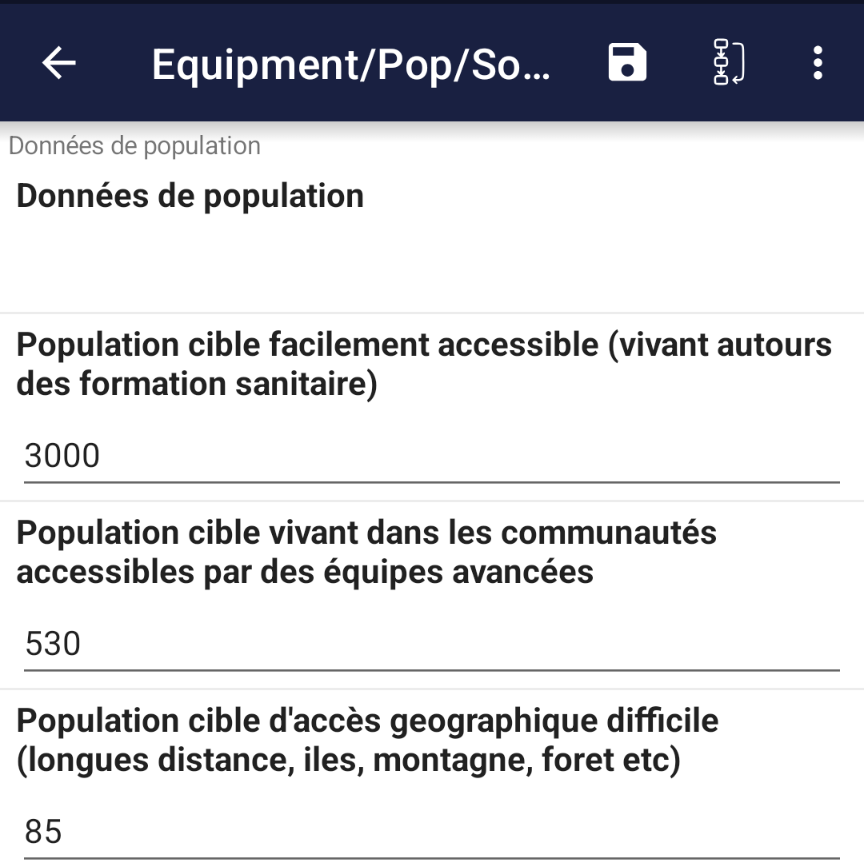
Data, whether related to health, the environment, or another domain, rarely lives in one place. It is scattered across DHIS2, surveys, paper forms, and local spreadsheets. Consolidating it manually takes time. And once consolidated, a DHIS2 update can break all that work.
Bluesquare integrates these heterogeneous sources into OpenHEXA, our collaborative data platform. OpenHEXA makes it possible to create AI-assisted automated pipelines that extract, transform, and harmonize data without manual intervention. Generative AI simplifies this step: instead of writing code themselves, users describe their need in natural language (“pull malaria incidence from DHIS2, adjust it using access surveys”). The code is generated, versioned, and reviewable. The user retains full control.

AI automates data preparation and automatically configures complex structures such as sub-national tailoring (SNT): health geographies, relevant indicators, resolution of ambiguities. Deployment time drops from several months to a few weeks. SNT incorporates sophisticated epidemiological models (IDM, SwissTPH, Imperial College) in its scenario comparison module, allowing decision-makers to evaluate the future impact of strategic plans. Multi-country projects such as PaluTrack centralize fragmented data and run predictive AI models to optimize resource allocation, while ImmuReach (DRC) uses machine learning to predict under-vaccination risks and target vulnerable communities.
Real-world data is imperfect: incomplete, unevenly structured, collected under different protocols. No generic model works with it. Our experts work with countries to develop robust, context-specific mathematical models: estimating undiagnosed cases, forecasting trends, allocating resources optimally, identifying at-risk areas. These models account for local realities: imperfect data, varied health system structures, and uneven diagnostic capacity.
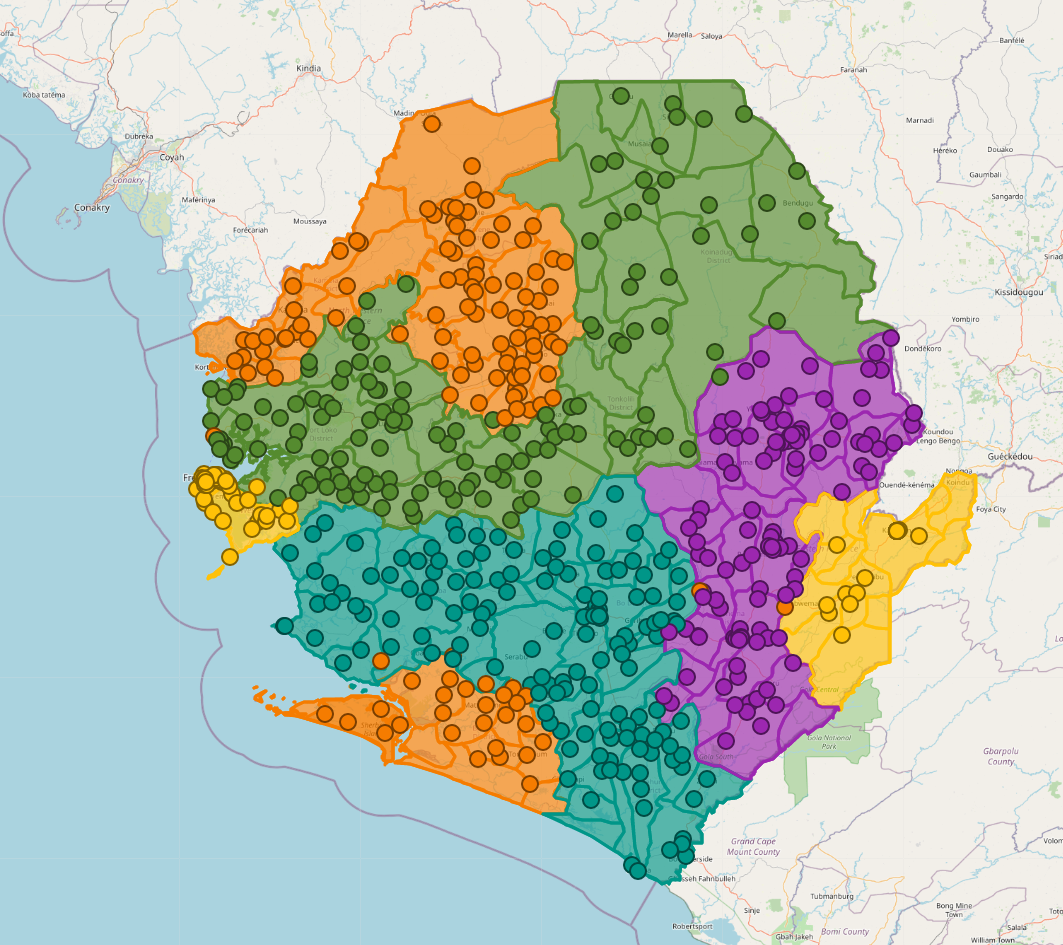
Even the best models become useless if they only run once. Manually maintaining a data pipeline is time-consuming and fragile: a change in the DHIS2 structure breaks everything, the expert who built it leaves, and the system dies.
In OpenHEXA, a data manager can turn their data into professional visual reports without mastering Excel, coding, or BI tools. Where manually extracting a DHIS2 report (extraction, cleaning, integration of external sources, BI loading, dashboard creation) used to take 2 days and required multiple skills, the process is now simplified: the data manager formulates their extraction and integration needs in natural language to the AI pipeline-building agent. OpenHEXA automatically runs the data extraction and processing. They can then describe the type of visualization they want to the dashboard assistant, and get a professional visual output within an hour.

For data collection, we use IASO, Bluesquare’s geolocated data collection platform. Building correct data collection forms is complex, and a poorly configured form used for field data collection can render the results completely unusable and waste valuable resources already deployed. IASO includes an AI-assisted form generator that secures form quality from the moment of creation. Coordinators describe it in natural language, and the AI generates the branching logic and optimizes the flows. As a result, forms are created faster, collected data is of higher quality, and the time saved is significant.
A complex analysis is still just an analysis: if only data scientists understand it, it guides no decision. Dashboards need to speak to decision-makers, not just to analysts.
AI turns model results into intelligent visualizations. It generates charts, maps, and metrics tailored to each audience. It also creates narratives: “In district X, the ratio of confirmed cases rose by 15%; this corresponds to a 20% drop in district Y.” A built-in chat tool lets managers query the data directly: “What are the 3 districts with the highest rate of unconfirmed cases?” Without technical expertise, they get clear, contextualized answers.

At Bluesquare, we present a unique combination of technical expertise, innovative tools, and client-centric approach for the global health sector.
We develop open-source software solutions, providing organizations with tools which are globally recognized for their impact and adaptability.
In addition to its commitment to quick client response and support, Bluesquare offers reliable, innovative, and impactful solutions for driving decision-making and improving health outcomes.