With an under-5 mortality rate nearing 8%, the Democratic Republic of the Congo (DRC) faces a critical public health challenge, where vaccine-preventable diseases remain a leading cause of child deaths. To address this crisis, the ImmuReach (Immunisation in DRC: Reaching Missed Communities) project was launched. Led by Bluesquare, in collaboration with the Université Libre de Bruxelles (ULB) and the University of Kinshasa (Unikin), the project aims to build operational, data-driven models that identify under-immunized populations and optimize the allocation of healthcare resources.
ImmuReach places a special focus on reaching « zero-dose » children—those who have not received even the first dose of the foundational pentavalent vaccine. While traditional vaccination models often rely on basic geographic proxies, ImmuReach pioneers a comprehensive approach to map the spatial distribution of missed children while simultaneously analyzing the complex behavioral drivers of vaccine hesitancy.
To capture a realistic picture of the DRC’s immunization landscape, the project integrates vast and diverse datasets. This includes massive Vaccination Coverage Surveys assessing around 80,000 households annually, high-resolution population distributions utilizing tools like GRID3 and WorldPop, and official health facility data detailing workforce capacity and vaccine stocks.
At the core of the project’s methodology is the use of Boosted Regression Trees (BRT), a powerful machine learning algorithm capable of capturing complex, non-linear relationships between health outcomes and their predictors. The research team applies these models across two distinct scales:
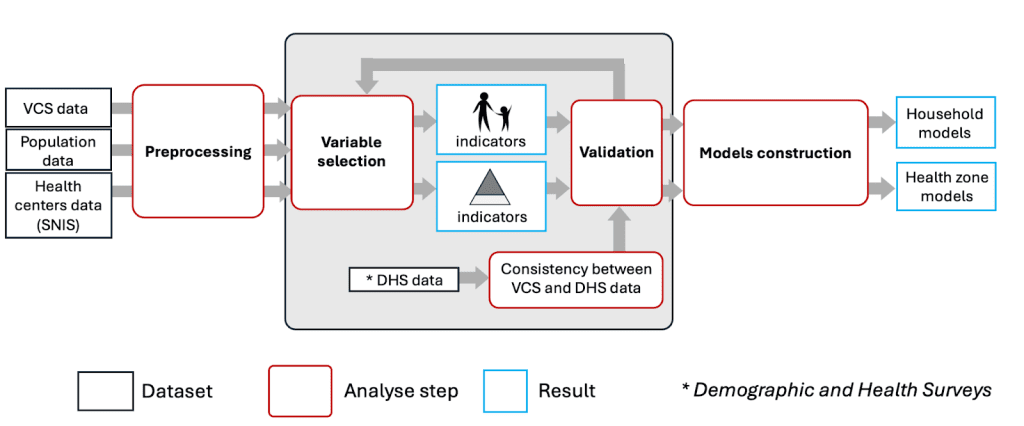
Furthermore, the project assesses physical access to health centers using an advanced three-step floating catchment area metric. This method realistically calculates healthcare availability by weighing estimated walking times and local competition against the service capacity of health centers.
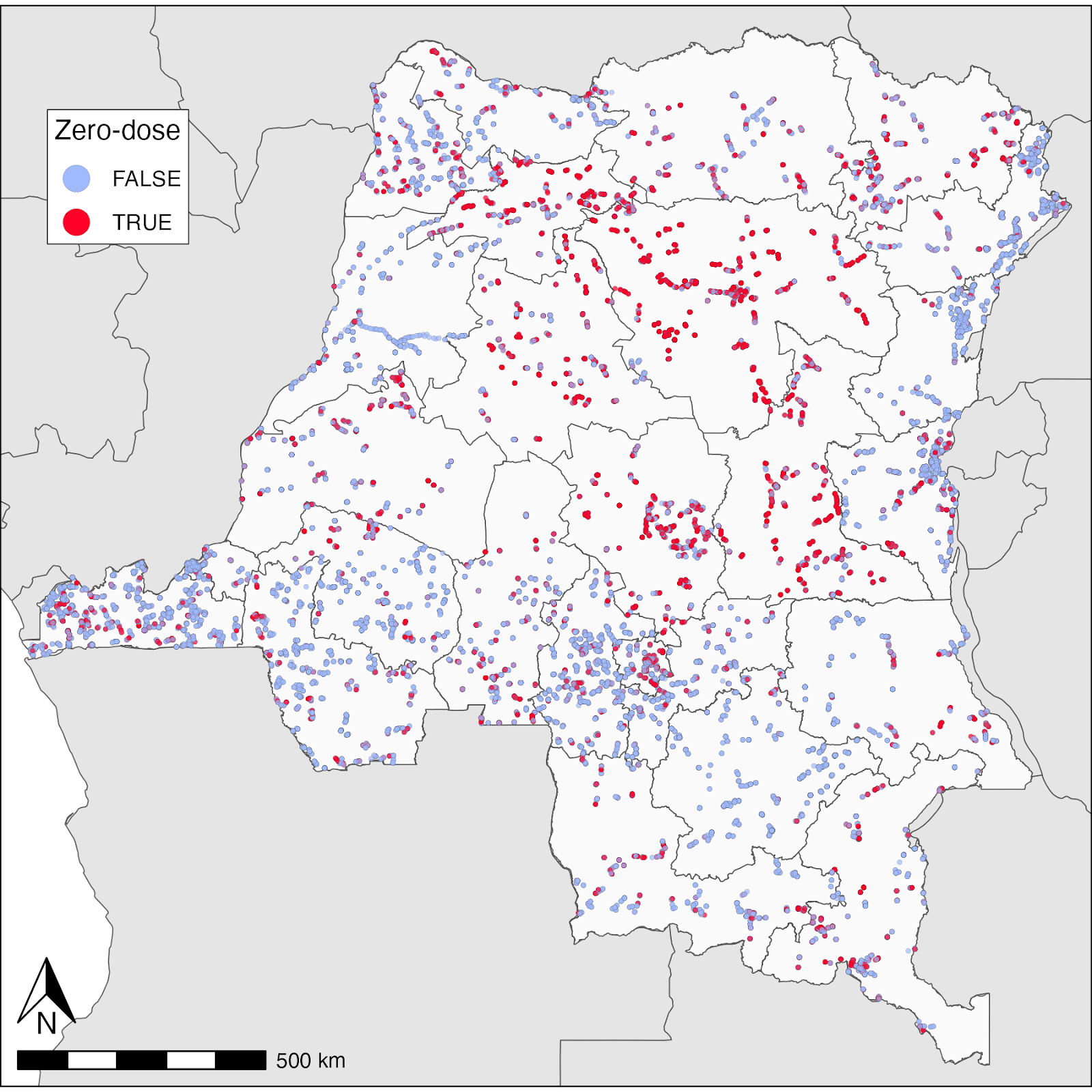
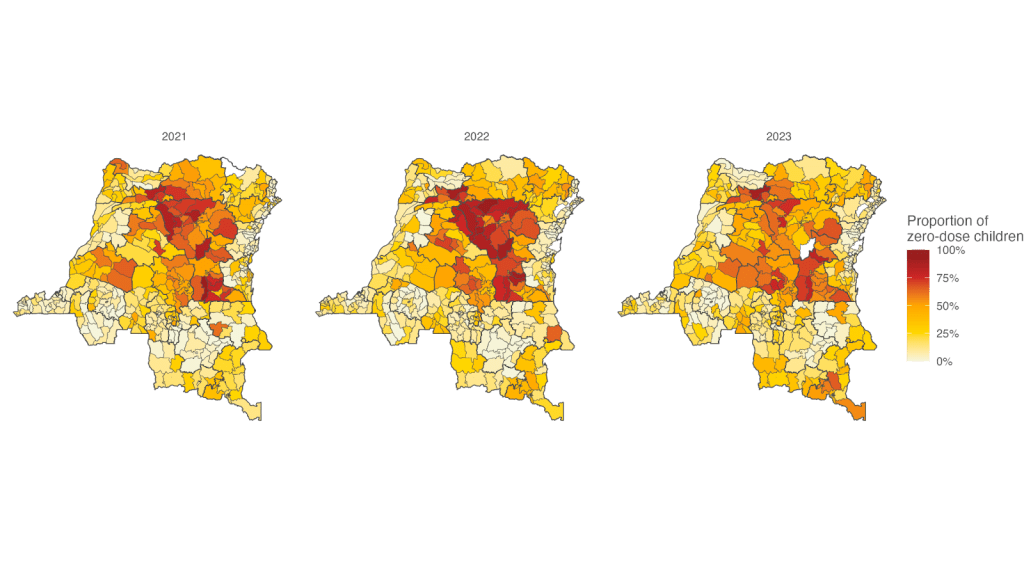
Spatial analyses reveal that zero-dose children are significantly clustered in the central equatorial forest regions of the DRC. The models demonstrate that zero-dose status is strongly correlated with a lack of uptake for other key childhood vaccines, such as those protecting against polio, rotavirus, and pneumococcal infections. This correlation indicates that under-immunization often reflects broader, systemic gaps in access to routine healthcare services rather than isolated instances of vaccine refusal.
Additionally, behavioral modeling confirms that composite indicators of vaccine acceptance are notably higher among caregivers of non-zero-dose children compared to those whose children remain entirely unvaccinated.
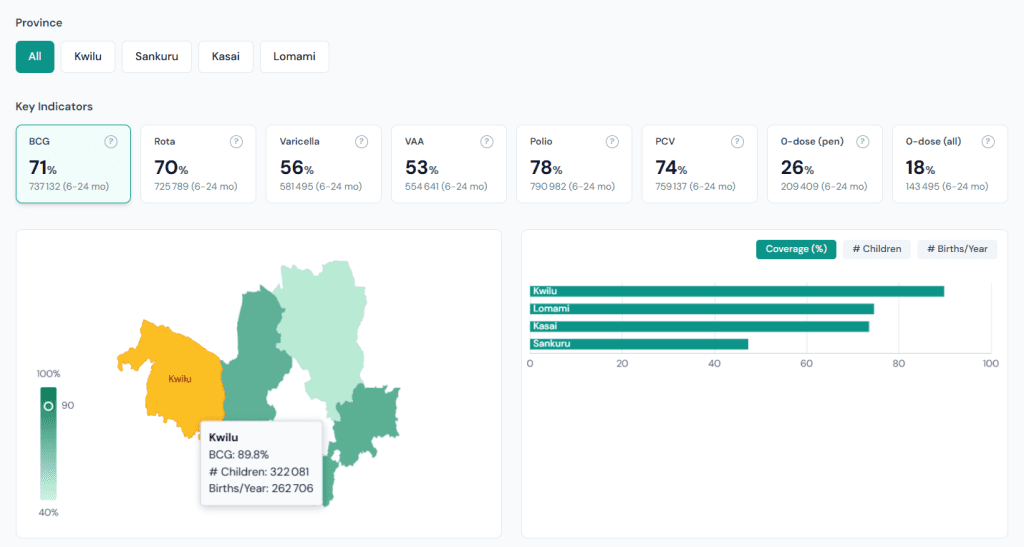
Moving forward, ImmuReach aims to translate its predictive models into actionable, cloud-based data products using the OpenHexa platform. The project is currently developing two major decision-support tools:
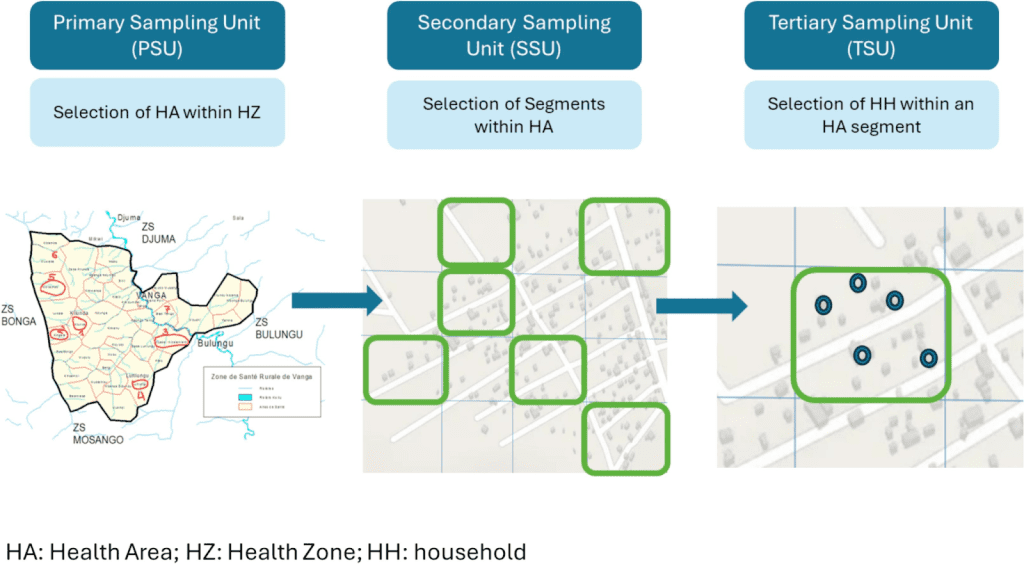
Ultimately, ImmuReach plans to embed these advanced visualizations and optimization tools directly into the existing workflows of the DRC’s Programme Élargi de Vaccination (PEV) and national performance monitoring systems. By aligning state-of-the-art spatial modeling with local health infrastructure, ImmuReach ensures that its insights will drive sustainable, on-the-ground impact for the children who need it most.