The shift from paper-based operations to digital workflows is revolutionizing how public health campaigns—from mass vaccinations to bed net distributions—are planned, executed, and monitored globally. However, digital transformation is not a one-size-fits-all solution. At Bluesquare, we believe that true campaign effectiveness lies in adopting a modular approach, allowing implementers to tailor digitalization efforts based on specific program needs, budget constraints, and local infrastructure realities.
Modularity, in the context of campaign digitalization, can be broken down into two distinct areas of focus:
The first type of modularity involves deciding which specific processes within the campaign lifecycle should be supported by digital tools. Here we can leverage the Integrated Campaign Digitization Toolkit to identify which modules can be implemented during a campaign:
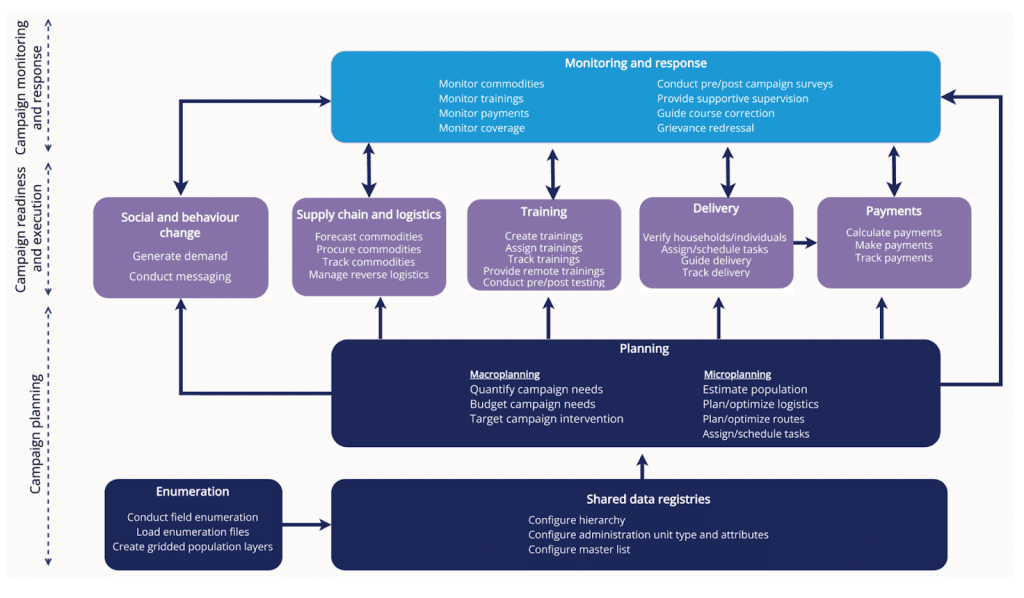
Excerpt from the Integrated Campaign Digitization Toolkit showing all the identified modules for health campaigns
For most high-impact campaigns, adopting more digital features generally provides greater benefits, assuming resources permit. Digitizing key processes offers advantages like real-time data visibility, improved accountability, and enhanced operational efficiency. For example, integrating real-time monitoring can lead to agile decision-making and course correction to meet campaign targets.
The second, and maybe less discussed, type of modularity concerns the depth of digitalization. This means intentionally selecting the lowest administrative or geographic level for data collection and monitoring:
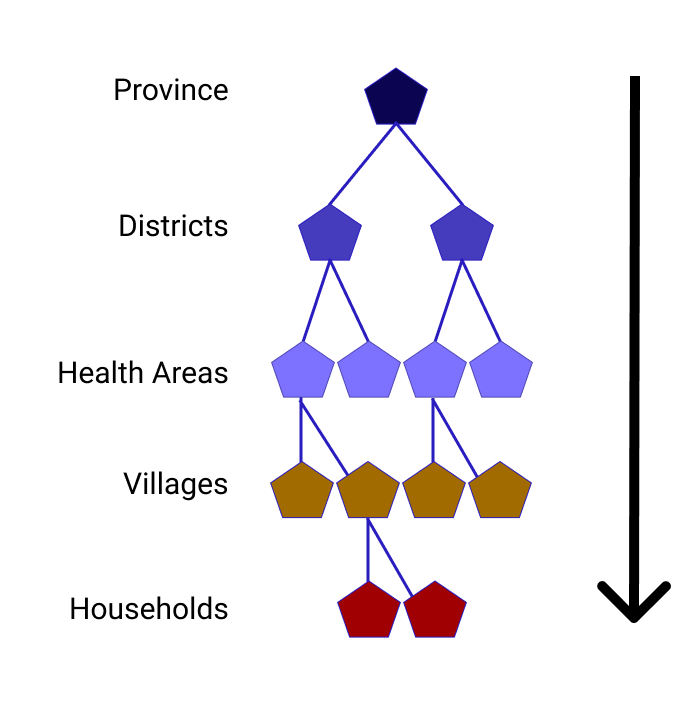
Illustration of a typical health pyramid. The arrow indicates the direction of “depth”
While digital tools can operate across the entire pyramid, the precision increases as you target lower levels, and critically, so does the cost and complexity. This makes the choice of granularity a strategic decision.
Our experience across multiple African countries shows that there is no universal optimal level of granularity; the right choice is dictated by local capacity, budget, and connectivity.
In countries with sufficient infrastructure (electricity, network, devices) and strong digital literacy, targeting the household or individual level can yield immensely rich data and precise campaign management.
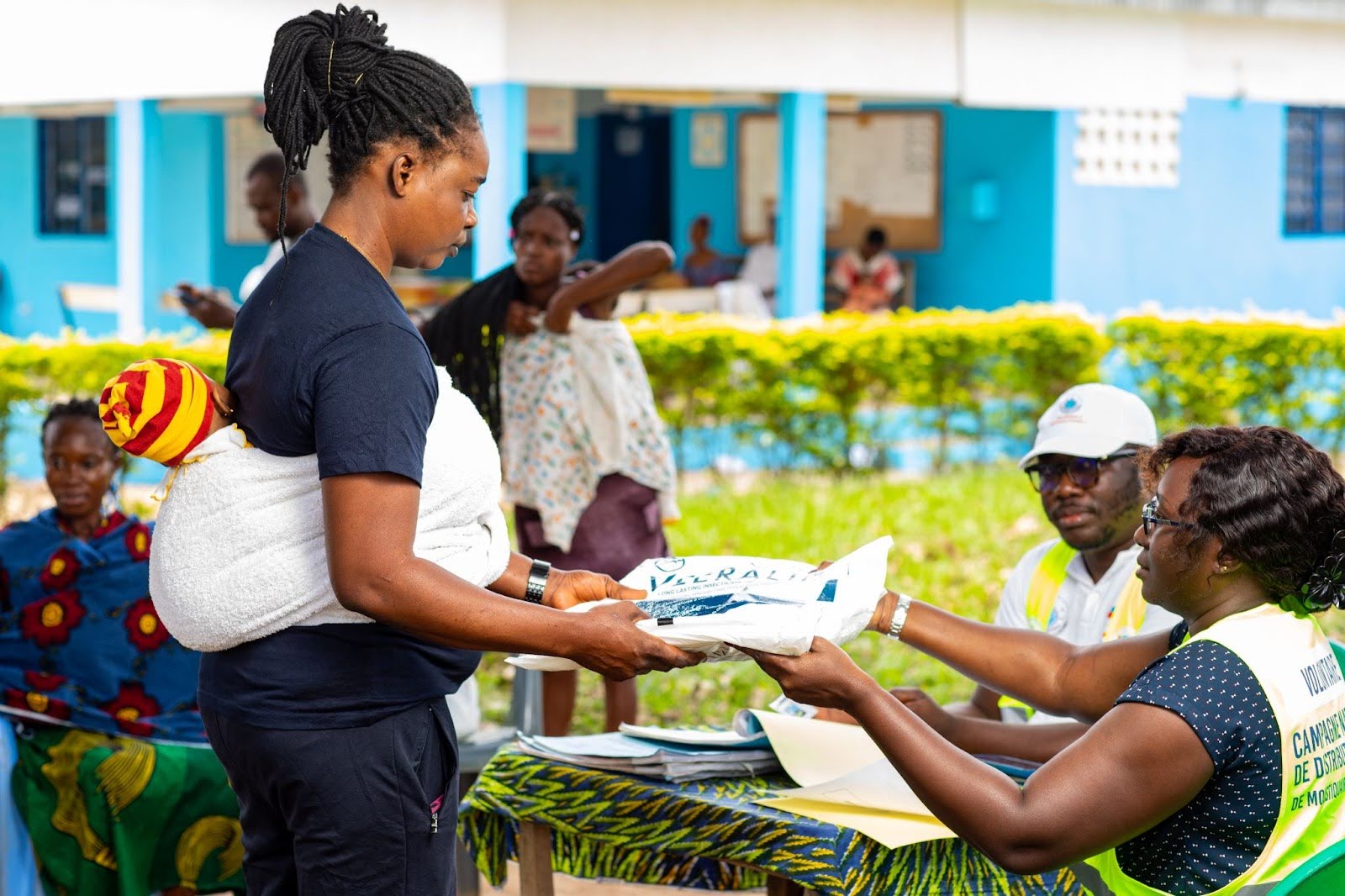
For example, in Ivory Coast where we are supporting LLIN/SMC Campaigns, Bluesquare successfully digitized operations down to the household level using our IASO platform. This involved registering millions of data points, using QR codes for unique tracking and distribution, and enabling real-time monitoring of which specific households received their bed nets. This level of detail ensures targeted coverage and prevents duplication and errors and can greatly increase confidence for program managers and donors.
In contexts facing significant logistical, financial, or infrastructural challenges, attempting deep, household-level digitization can be counterproductive, leading to system failure and resource waste. The reasons not to digitalize in the lower levels of the healthcare system are:
In such scenarios, effective alternatives may include maintaining paper-based reporting tools validated at higher administrative levels or leveraging simple, widely-used communication tools like WhatsApp for faster operational reporting and quality checks. These simpler approaches can then be complemented by random monitoring (based on the LQAS approach) to ensure that the quality of the campaign is still high, even without knowing the exact location of every health intervention.
Ultimately, the choice must align processes and tools with the available budget and expected impact. By applying a modular and adaptive strategy, public health actors can maximize the benefits of digitalization while ensuring their campaign solutions are sustainable, equitable, and effective in their unique local context.
Digital transformation in health campaigns is not about adopting the most advanced solution, but about adopting the right one. By combining modularity in both features and granularity, programs can align their digital ambitions with operational realities, budget constraints, and infrastructure capacity—maximizing impact without overextending resources.Bluesquare supports this strategic approach through a range of tools, including IASO, DHIS2, and HCM, enabling programs to decide not only what to digitize, but also how deeply to digitize it. Across dozens of campaigns, we have seen that tailored digitalization—rather than blanket implementation—leads to stronger accountability, better data use, and more sustainable outcomes.