Epidemiological maps for precision public health
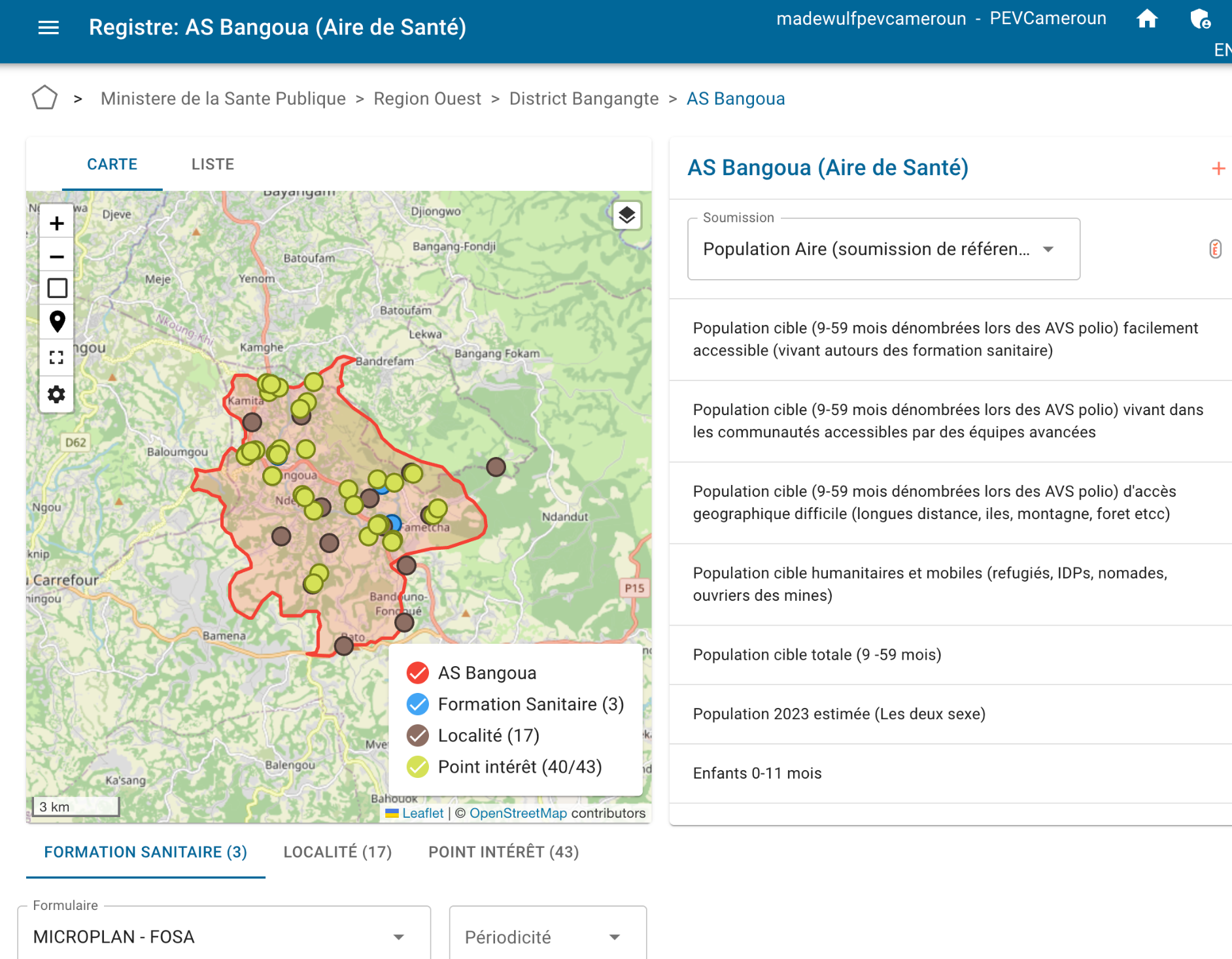
EpiMaps is an automated epidemiological mapping pipeline that connects directly to national health data systems. It continuously transforms routine data into high-resolution maps that provide up to date information on epidemic risks and health systems preparedness
EpiMaps operationalizes geospatial analysis for routine public health surveillance.
Geospatial analysis for public health is often slow, manual, and ad-hoc—often producing static maps that are outdated not long after they are published. With EpiMaps we want to change this paradigm by shortening the loop between field level data updates and actionable geospatial intelligence.
By automating data ingestion, enrichment, and modeling, EpiMaps enables Ministries of Health and partners to:
EpiMaps turns maps from static reports into living operational tools that support planning, targeting, and rapid response.
EpiMaps is not a standalone application. It is a modular, automated pipeline designed to sit on top of existing national infrastructure and transform local data into actionable spatial intelligence.
EpiMaps connect directly to specific country data systems to ensure analyses are always based on the most recent information.
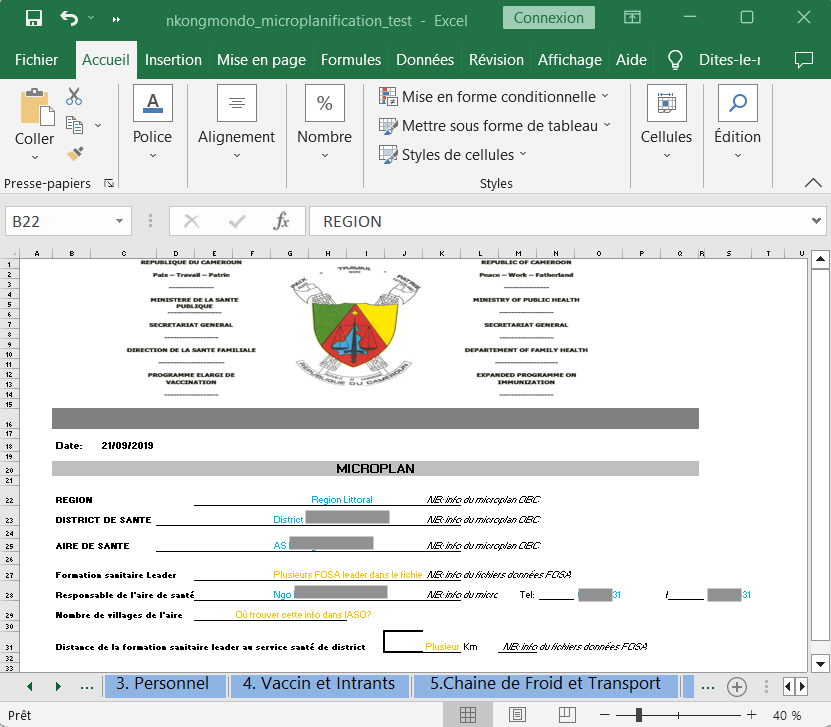
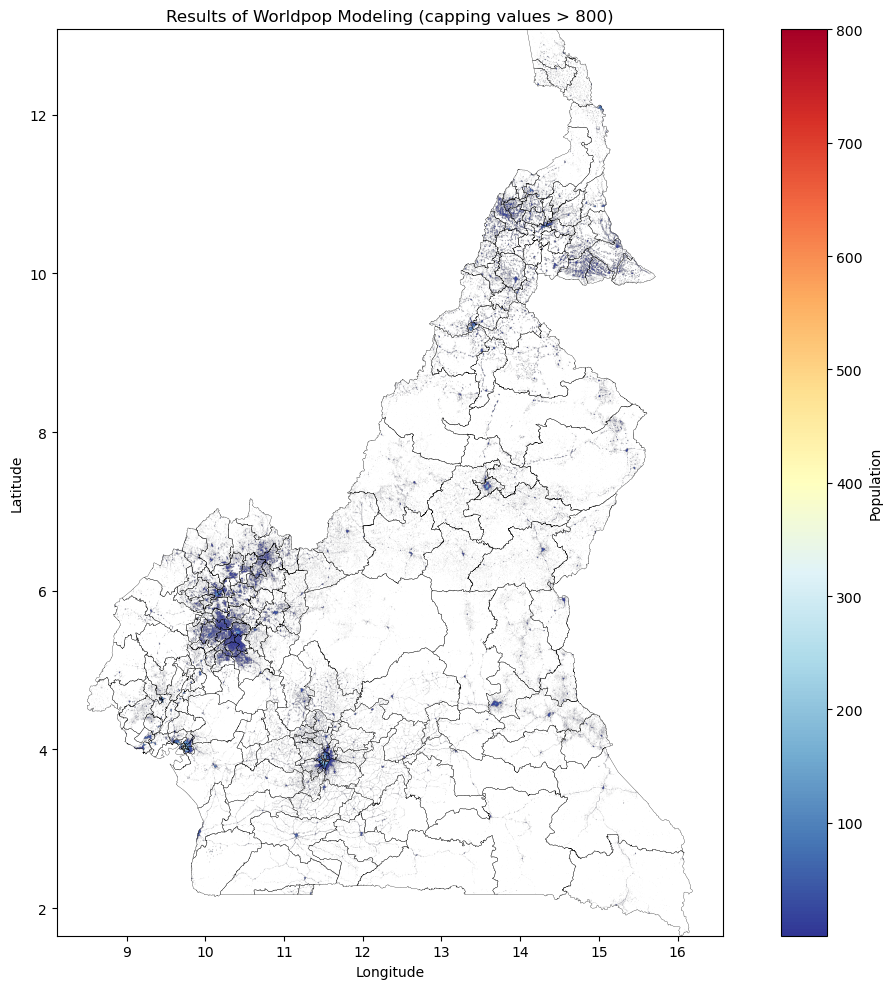
National data is augmented with curated global geospatial datasets, managed automatically within the pipeline.
All data flows through validated epidemiological and accessibility models aligned with WHO guidance.
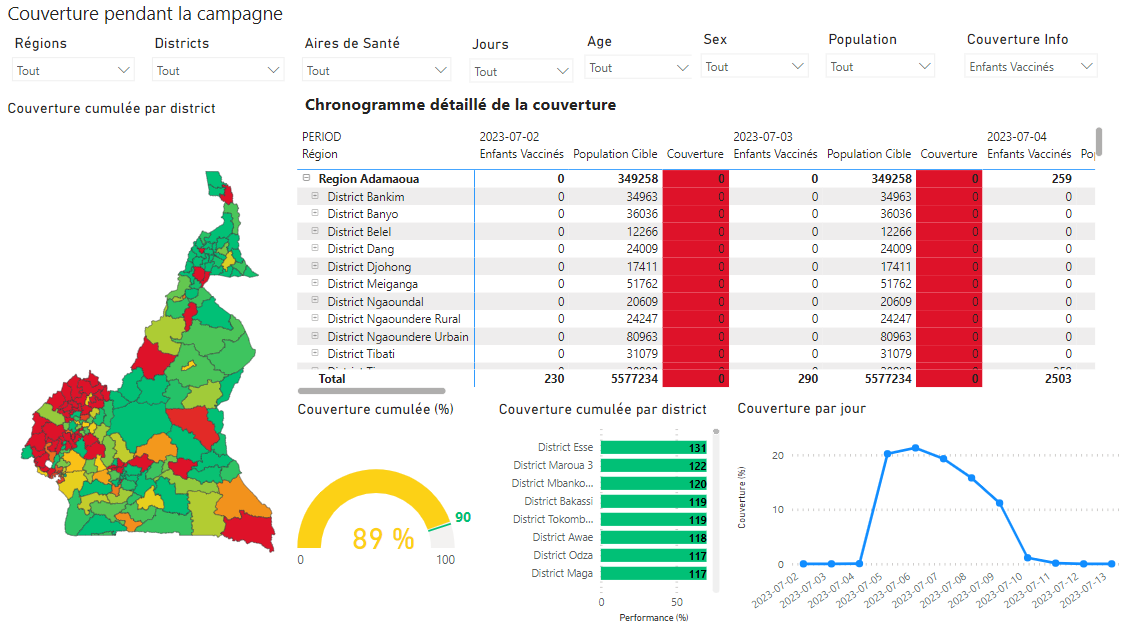
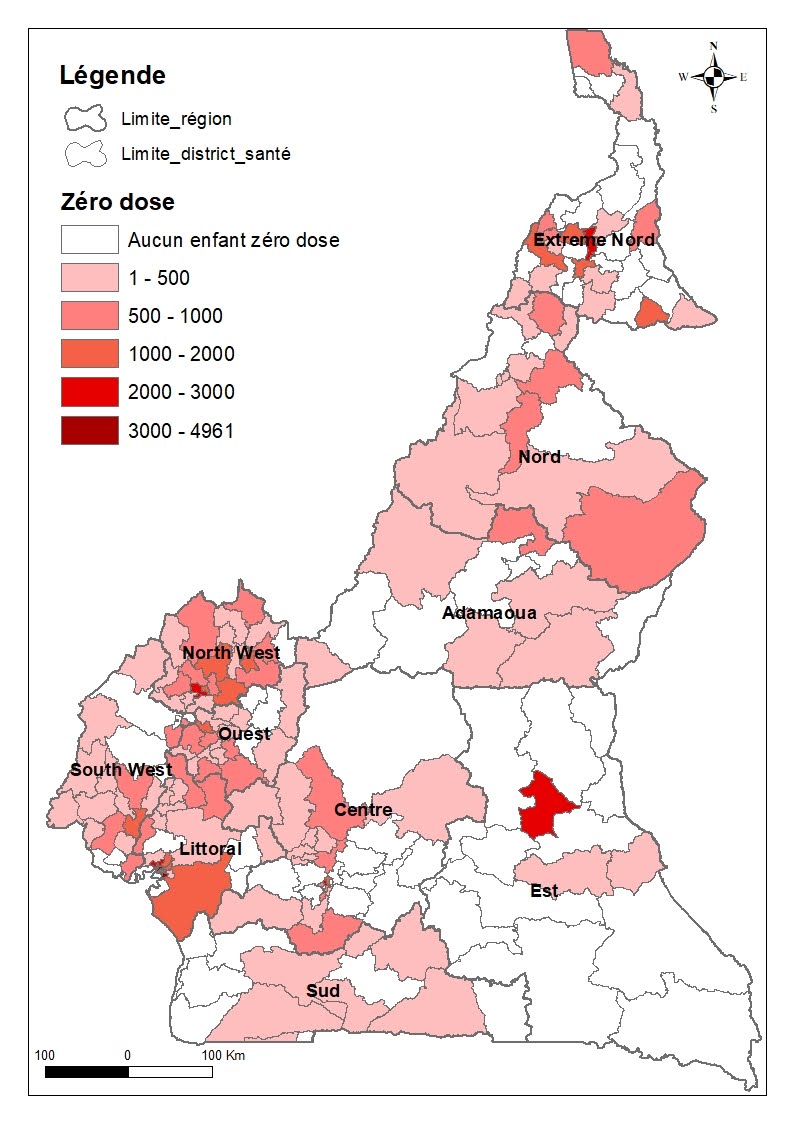
EpiMaps generates a suite of continuously updated, decision-ready maps, including:
EpiMaps is engineered to respect national ownership and data sovereignty.
At Bluesquare, we present a unique combination of technical expertise, innovative tools, and client-centric approach for the global health sector.
We develop open-source software solutions, providing organizations with tools which are globally recognized for their impact and adaptability.
In addition to its commitment to quick client response and support, Bluesquare offers reliable, innovative, and impactful solutions for driving decision-making and improving health outcomes.