A country-owned digital toolbox for optimizing intervention allocation: enabling precision planning toward malaria elimination.
We support National Malaria Programs (NMPs) by transforming fragmented, manual planning processes to a fully integrated, (semi-)automated, and country-owned platform that supports the Sub-National Tailoring (SNT) of malaria interventions.
Malaria transmission varies enormously across districts, and many countries rely on various data sources, different tools and complex workflows to capture this subnational heterogeneity. However, these approaches are often fragmented, difficult to maintain, and dependent on a small group of experts. Limited automation and manual processing make it challenging for NMPs to keep stratification up to date, ensure full ownership of the data, and reprioritize interventions in the face of constrained funding.
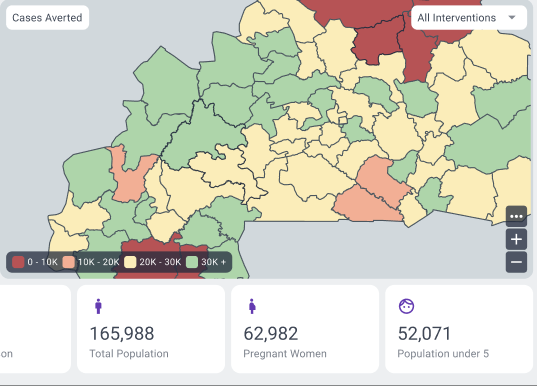
The SNT Scenario Explorer addresses these barriers by unifying data processing, risk stratification, scenario creation, costing, and impact modeling within a single, interoperable platform. Built in partnership with Bluesquare, PATH, IDM, SwissTPH, and supported technically by WHO, the system brings together epidemiological simulations, budgeting logic, and high-quality stratification data to help countries plan with precision and confidence.
Through automation and open-source pipelines, NMPs gain full sovereignty over their data and analyses. Instead of one-off consultant-driven exercises, programs can continuously update their strategic plans, respond to new evidence, and allocate resources more efficiently—maximizing lives saved even in the face of tightening global health budgets.
Our approach follows a structured workflow that translates the SNT framework into practical, repeatable steps:
All routine and modeled datasets—HMIS, DHS, MAP, ERA5, WorldPop, NMDR—are processed through standardized OpenHEXA pipelines. These automated workflows generate core stratification layers, including : incidence, prevalence, mortality, seasonality, intervention history, demographic indicators and care-seeking patterns.
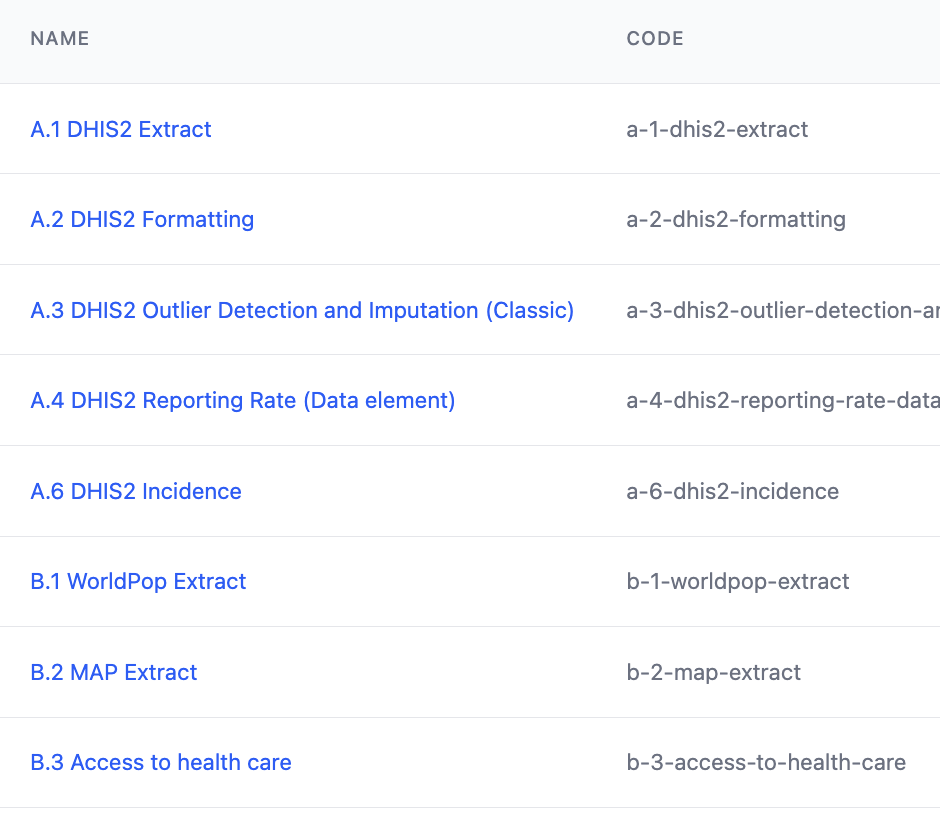
Processed indicators are combined using established methodological frameworks to produce stratification outputs. The toolbox ensures that countries can re-run stratification whenever new data becomes available.
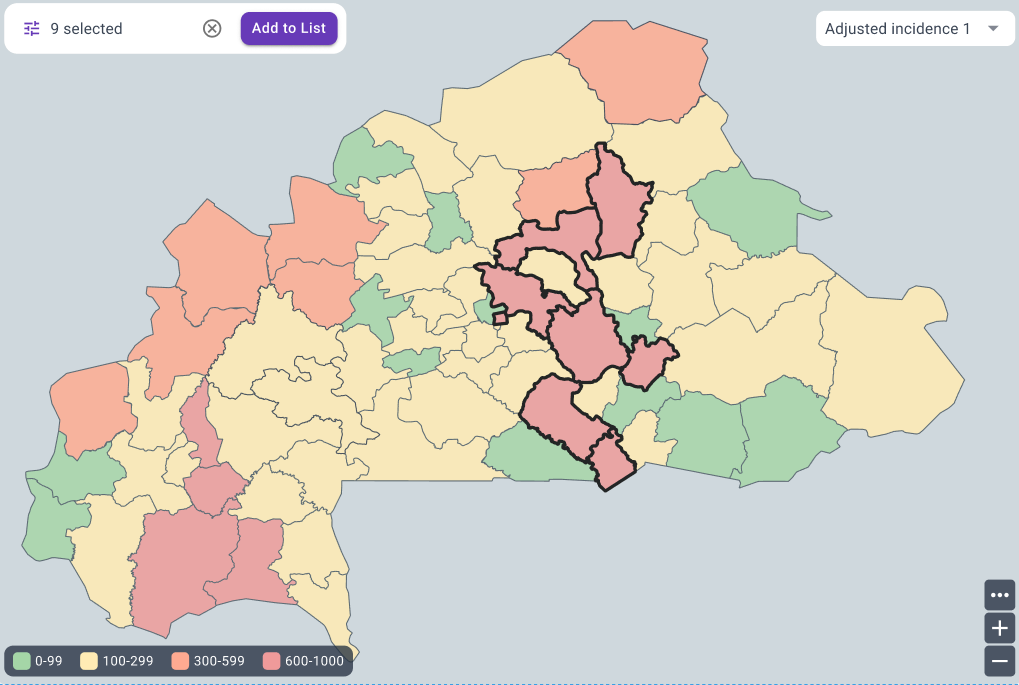
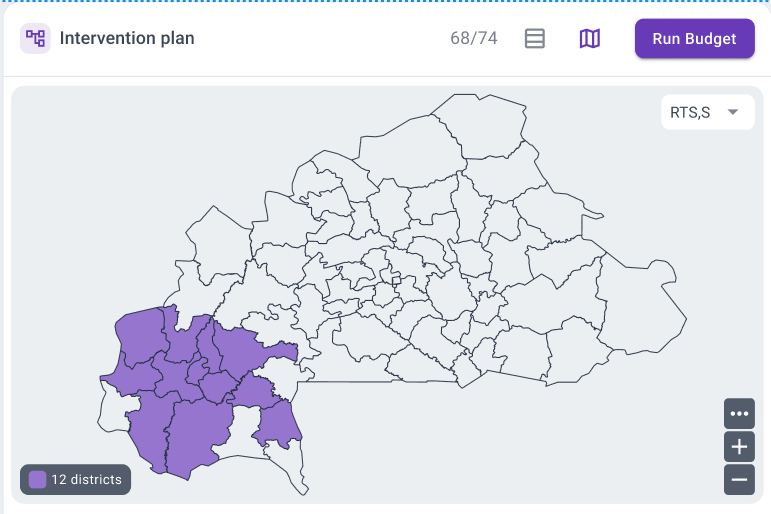
Users define intervention packages (LLINs, IRS, SMC, treatment strategies, etc.) and assign them to districts or population groups based on risk profiles, operational feasibility, and programmatic priorities. Multiple planning scenarios can be created and compared, allowing NMPs to explore different coverage targets, combinations of interventions, or prioritization strategies.
Integrated costing frameworks (PATH) and epidemiological impact models (IDM, SwissTPH) estimate the expected resources, budgets, and epidemiological outcomes for each scenario. Users can assess both costs and projected reductions in malaria burden.
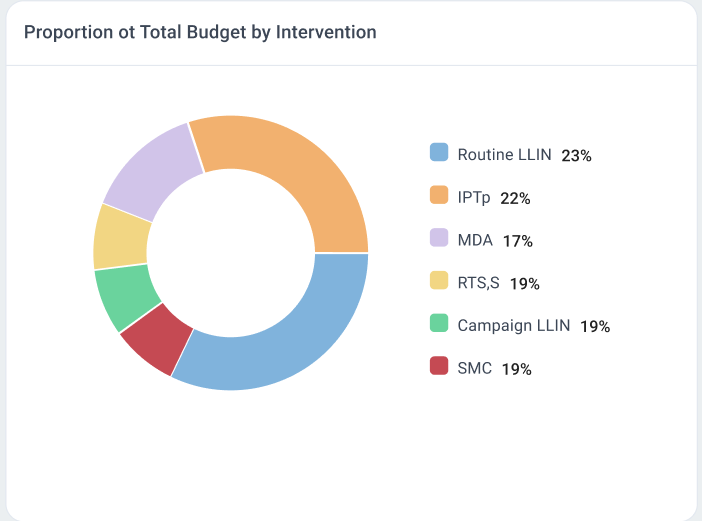
By visualizing risk, cost, and impact side by side, NMPs can identify the most efficient and effective allocation of resources. This enables better justification of funding requests and improves the overall efficiency of malaria control strategies.
At Bluesquare, we present a unique combination of technical expertise, innovative tools, and client-centric approach for the global health sector.
We develop open-source software solutions, providing organizations with tools which are globally recognized for their impact and adaptability.
In addition to its commitment to quick client response and support, Bluesquare offers reliable, innovative, and impactful solutions for driving decision-making and improving health outcomes.