Bluesquare contributed to the The Umbrella Fund | Geospatial Interventions initiative, implemented by Dev-Afrique with funding from the Gates Foundation, which laid the foundations for the architectural framework of the national health georegistry in the Democratic Republic of the Congo (DRC).
As the lead technical partner, Bluesquare supported the design and structuring of this architectural framework, with the objective of strengthening governance, interoperability, and the effective use of geospatial data within the health sector.
Under the leadership of the ANICNS, alongside its partners, Bluesquare undertook the assessment of more than twenty digital tools and platforms currently used in the DRC for the collection, management, and analysis of geospatial health data. This assessment was conducted through a participatory process, based on five key criteria: interoperability, cost, accessibility, adoption, and sustainability.
Based on these criteria, nine tools were identified as particularly relevant for the development of the georegistry, including DHIS2 (SNIS), QGIS, ArcGIS, ODK/KoboToolbox, IASO, GRID3 Data Hub, SurveyCTO, OpenStreetMap, and Google Earth Engine.e seamlessly into broader health information systems, supporting real-time visibility and better resource allocation.
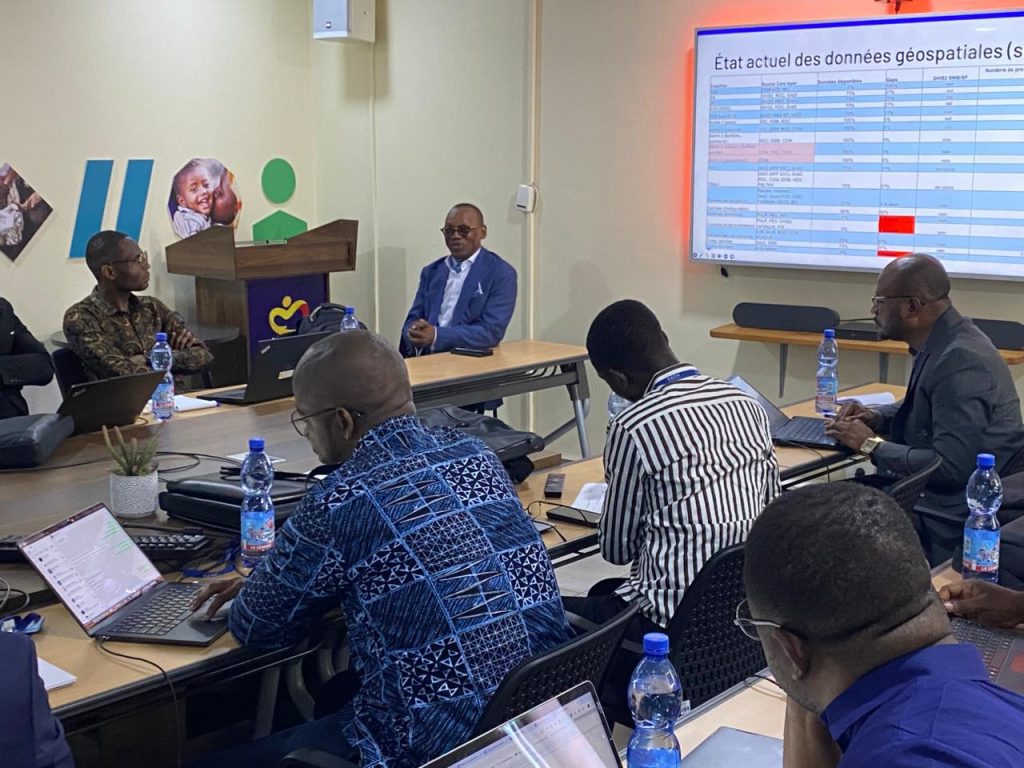
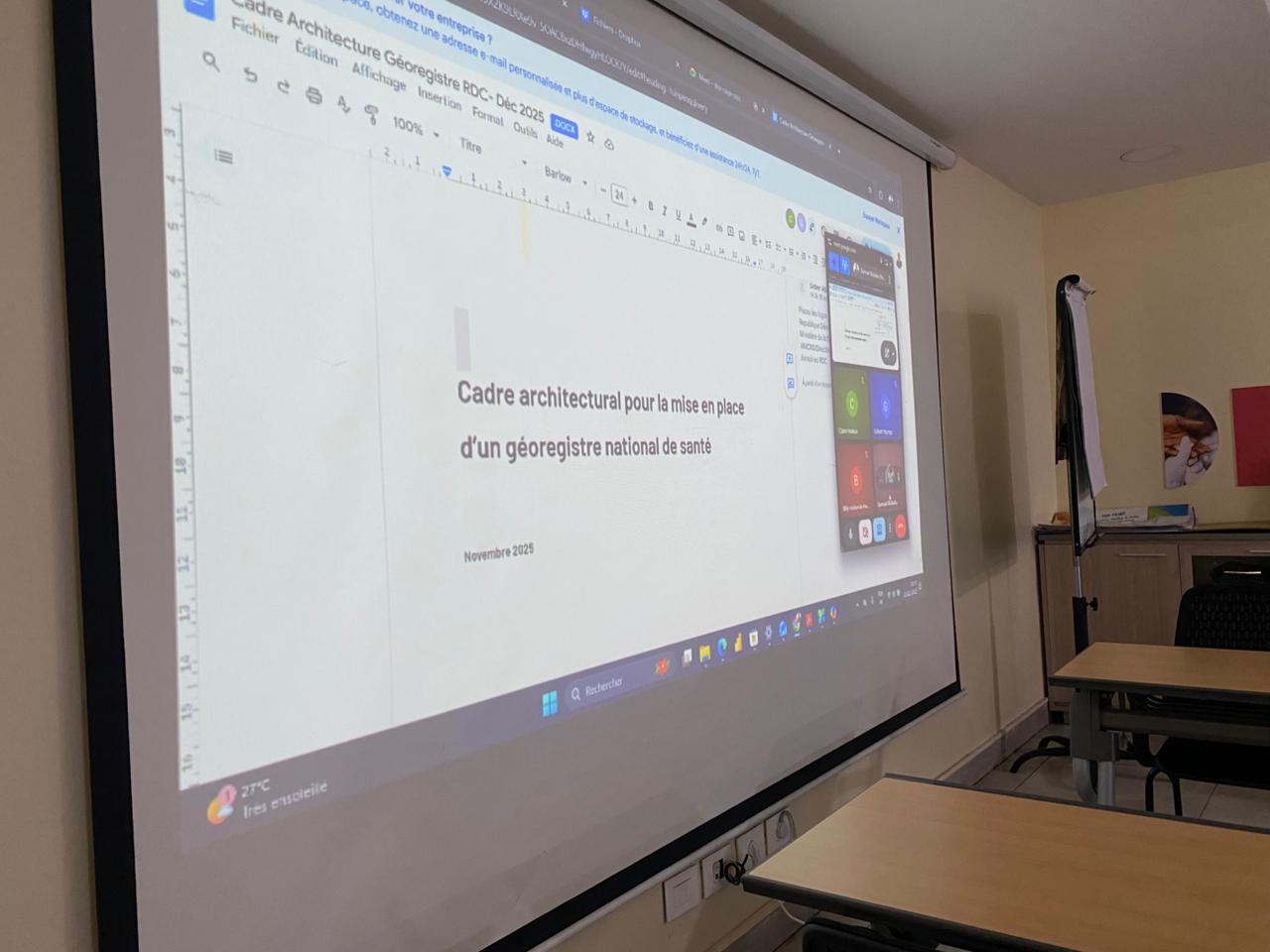
A workshop held with ANICNS, Dev-Afrique and other Bluesquare’s partners to access the existing geospatial tools.
The results of this analysis, combined with contributions from both state and non-state stakeholders, enabled the co-development of a reference architectural framework. This framework will guide the development of the national health georegistry and serve as a foundation for the coherent and sustainable use of geospatial data within the health sector in the DRC.
Bluesquare stands ready to contribute to the next phases of the process, alongside national institutions and technical and financial partners.
Watch the video to learn more about the activities and results supported by The Umbrella Fund | Geospatial Interventions, and how these efforts contribute to strengthening health sovereignty through resilient, locally led, and data-driven systems in Nigeria and the DRC.